 Posted on 08/08/2026
Revelox Scientific Chronicles
Does More Collagen Really Mean Better Results?
We live in a time where health information is everywhere. One video says you need 2 grams of collagen a day. Another recommends 10 grams. Some even suggest 30 grams to achieve real results. Then one healthcare professional says collagen is essential, while another says they don’t believe in it.
In the end… Consumers are left wondering who to trust.
At Revelox, we believe it’s time to take a step back. Not to add another opinion to the conversation. But to return to what should always guide our decisions: science.
Science… Not Opinions
It is perfectly normal for healthcare professionals to have different perspectives. Physicians, pharmacists, dietitians, naturopaths, researchers—each brings a unique background, experience, and interpretation of the available evidence. Scientific debate is part of scientific progress.
However, one principle never changes. Science does not consist of selecting only the studies that support our beliefs. It requires looking at the totality of the available evidence.
This is exactly how Health Canada evaluates ingredients before authorizing health claims. Recommended dosages, recognized benefits, and permitted claims are not chosen at random. They are based on a careful review of the scientific evidence available at the time.
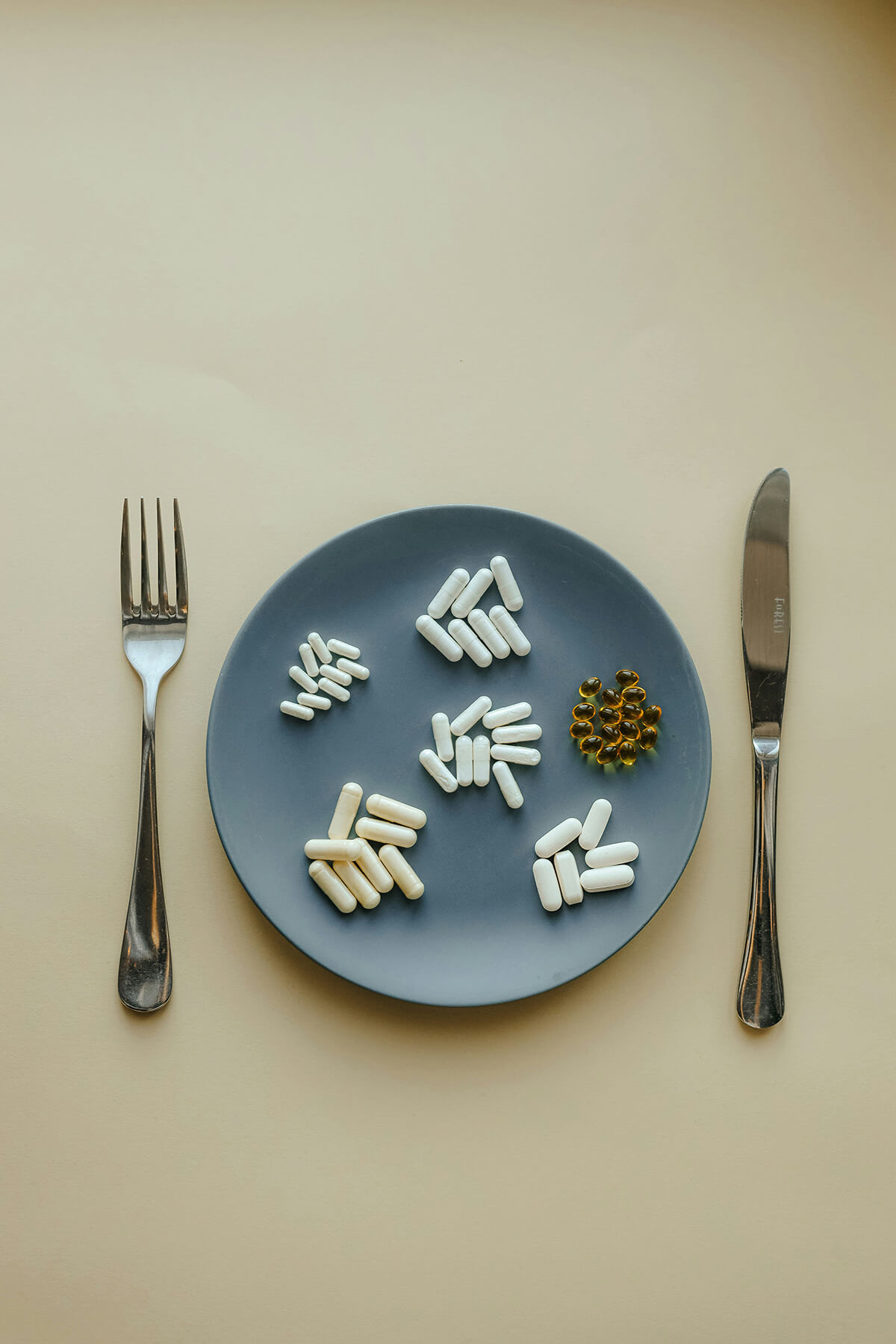
More Is Not Always Better
It’s easy to assume that the biggest number must be the best. More collagen. More protein. More vitamins.
Yet this is not how science develops effective products. In pharmacology, researchers aim to identify what is known as the Minimum Effective Dose—the lowest dose capable of producing a demonstrated benefit while maintaining an excellent safety profile.
Why? Because increasing the dose does not necessarily increase the benefits. The best dose is not the highest one. It is the dose that is appropriate for the intended purpose.
Do All Collagen Studies Use the Same Dose?
No. Some studies evaluate approximately 1.2 g per day. Others use 2.5 g. Some use 5 g. Others use 10 g.
Why such a wide range? Because they are not studying the same outcome. Some focus on joint comfort. Others evaluate skin health. Others investigate exercise recovery or bone health.
Comparing products based solely on the number of grams of collagen can therefore be misleading. The better question is: What was the study designed to evaluate?
What Does Health Canada Recognize?
In Canada, health claims are supported by scientific evidence. Before an ingredient can be associated with a health claim, Health Canada evaluates the available studies, the dosages used, and the overall safety profile.
For hydrolyzed collagen, 1,200 mg per day is among the doses recognized for certain joint health claims. If scientific evidence had demonstrated that 5 or 10 grams were always required, a lower recognized dosage would simply not exist.

What About Osteoporosis?
Yes, research on collagen and bone health does exist. Some clinical studies have reported encouraging results using approximately 5 grams of specific collagen peptides in postmenopausal women with reduced bone density.
However, one important message appears consistently throughout the scientific literature. Collagen is never presented as a stand-alone solution. Researchers always discuss bone health within the context of a broader approach that includes:
- a balanced diet;
- adequate calcium intake;
- vitamin D;
- regular weight-bearing exercise;
- and, when appropriate, medical treatment.
Bone health is the result of many biological processes working together.
Scientific Studies Rarely Evaluate Just One Ingredient
This is one of the most overlooked aspects of nutrition research. When we review a scientific study, we don’t simply look at the amount of collagen. We also consider:
- the type of collagen;
- its quality;
- the other ingredients included in the formulation;
- the study population;
- the outcomes being measured;
- and the duration of the study.
Why? Because many formulations also include ingredients such as:
- Vitamin C;
- Hyaluronic Acid;
- Silicon;
- or other active compounds.
Science evaluates an entire formulation, not simply a number printed on a label.
Hyaluronic Acid… Much More Than a Skin Ingredient
Most people associate hyaluronic acid with skin hydration. However, research shows that it is also a natural component of the extracellular matrix—the structural network that supports connective tissues, including bone.
Studies suggest that hyaluronic acid contributes to:
- the activity of bone-forming cells;
- the organization of the bone matrix;
- the mineralization process;
- and interactions with calcium ions during bone formation.
This is why looking at an entire formulation is often more meaningful than focusing on a single ingredient.
One Dose… Or Different Options?
Another question we often hear is: “Why not simply offer the highest collagen dosage possible?”
Because in health and nutrition, there is rarely a one-size-fits-all answer. Every person is different. Age. Lifestyle. Diet. Individual needs. Personal tolerance.
Some people prefer starting with a more moderate dosage. Others may benefit from a different formulation depending on their situation. In pharmacology, the goal is not to recommend the highest possible dose. The goal is to identify the right dose for the right person at the right time.
That is why, at Revelox, we have chosen to develop different formulations and dosage options instead of relying on a single universal approach. We believe nutritional support should adapt to the individual—not the other way around.
A Philosophy That Has Guided Revelox From the Beginning
When we developed PureHA, our objective was never to create the product with the biggest number on the label. Our objective was to develop an intelligent formulation. One in which collagen, hyaluronic acid, and silica work together, each contributing according to its own biological role.
Today, scientific research is increasingly exploring the importance of ingredient synergy. Looking back, we are proud to have embraced that philosophy from the very beginning.

Science Doesn’t End With Approved Claims
Clinical studies are designed to answer very specific questions. But the human body is far more complex. Over the past decade, thousands of people have used Revelox products.
Throughout those years, we have heard remarkably consistent feedback:
- Healthier-looking skin.
- Stronger hair.
- Stronger nails.
- Greater mobility.
- An improved sense of well-being.
These observations are not scientific proof. Nor do we present them as health claims. However, they are valuable. Because throughout the history of science, repeated observations have often inspired the next generation of research.
Customer experiences do not replace science. But they can help guide tomorrow’s discoveries.
Our Commitment
At Revelox, we do not follow trends. We follow evidence.
We believe nutritional supplements should never be chosen simply because they display the highest dosage on the label. We believe in ingredient quality. Thoughtfully designed formulations. Scientifically supported dosages. And above all, we believe there is no single solution that fits everyone.
Every individual is unique. Every health journey is different. That is why we continue developing formulations that respect this reality while remaining true to the principles that have guided us for more than a decade: science, innovation, and listening to the people who place their trust in us.
Because ultimately, science does not ask us to believe. It asks us to observe. To understand. To keep learning. And to always remain open to new discoveries.

Luce Duchaussoy
Founder, Revelox
For more than 10 years, I have developed formulations guided by scientific evidence while remaining attentive to the experiences of our customers. Because science evolves… and so do we.